
Monday my kitchen looks like a person lives there who has their life together. By Thursday it looks like that person left in a hurry and took the dish soap.
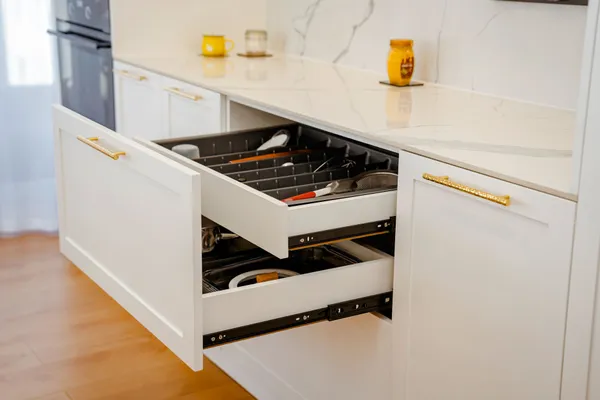
I know the exact moment it tips, because I was standing in it last week. Thursday, around nine at night, holding a fork. The fork was dirty. The sink was full. And I stood there doing genuine cost-benefit analysis on whether to wash this fork or go looking for a clean one in the drawer, knowing full well the drawer had two forks left and both of them were the bad kind with the bent tines.
I found a different fork. Obviously.
For years I treated that fork moment as evidence about my character. Somewhere in me there was a tidy person and somewhere else there was a slob, and the slob kept winning on a schedule. I’d apologize to whoever walked in. I’d promise myself the weekend would fix it. And it did, briefly, the way a nap fixes a bad night.
Then I started paying attention to what the mess actually was, and it turned out the mess was not random at all. It was the same three things failing in the same order, every single week.
It’s not a mess, it’s a pattern with a start date
Here’s what my Thursday collapse is made of, in order: dishes, laundry-in-transit, and the flat surface by the door where mail and keys and receipts go to die.
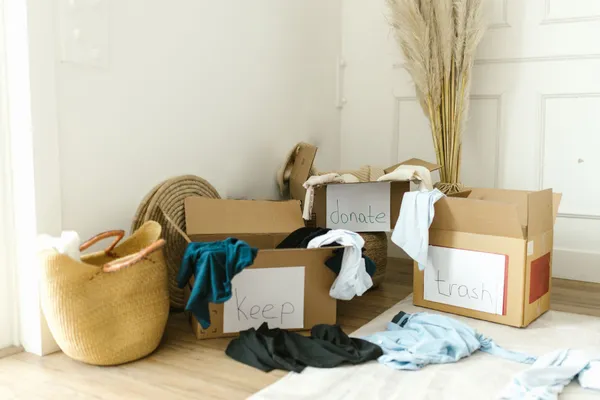
Dishes go first, usually Tuesday night. Laundry stalls Wednesday, not in the machine but in the basket, clean, on the floor of the bedroom, sending a slow signal that this room is now a warehouse. By Thursday the surface by the door has become geology, and the chair where clothes go to live has taken on structural load.
It is the same three every time. Never the bathroom. Never the fridge. It is not the whole house falling apart. It is three specific jobs that happen to be the ones I do on borrowed enthusiasm.
That’s the thing I finally clocked. Sunday me is not a realistic narrator. Sunday me has slept, has had coffee sitting down, has seen a clean counter and felt something close to optimism. Sunday me makes a plan that requires Sunday-level energy on five consecutive days, which is a bit like budgeting your week from your best mood.
By Wednesday, that energy has run out. Not because I’m lazy. Because the week is long and I spent it on other things, most of them fine and some of them worth it. The house falls apart on Thursday for the extremely boring reason that Thursday is the fourth day in a row of spending myself, and the household jobs are the ones with no external deadline. Nobody emails you about the fork.
Once I saw it as a curve instead of a verdict, I stopped being surprised by it. Which is most of the win, honestly. The apologizing was taking more out of me than the dishes.
What I actually changed, which is less than you’d think
Two things. Neither of them is a system.
First, I moved the fragile jobs early. The tasks that collapse first now happen when I still have something in the tank. Laundry gets started Monday or Tuesday, never Thursday, because Thursday me will wash it and then abandon it warm in the machine and rewash it Saturday out of shame. Same logic as the last ten percent problem: the finishing is the expensive part, so I spend the good energy there and not on the starting.
Second, I book twenty minutes on Wednesday night. Not a cleaning session. A reset. Dishes in, clear surfaces, clothes off the chair, done. I set a timer and I stop when it goes off even if there’s more, which there always is.
Twenty minutes before the collapse is worth about ninety minutes after it. That ratio is the whole article. The Wednesday reset is cheap because nothing has compounded yet. The Saturday rescue is expensive because everything has: the pan needs soaking, the laundry needs redoing, the surface by the door now requires decisions about paperwork.
And I lowered the bar for Thursday on purpose. Thursday is not a night I clean. Thursday is a night I put things in the general area of where they belong. Not tidy. Not shameful either. Just held.
Find your own Thursday, then be nice to it
Yours might be Tuesday. If you have a brutal Monday, it might be Monday night. It might not be a day at all, it might be the third consecutive evening you got home after seven.
So watch for a couple of weeks. Not with a tracker. Just notice which night you stand in the kitchen and feel the specific tiredness that isn’t about sleep, the kind that makes a fork feel like a decision. Notice what broke first. It’ll be the same three things it was last time.
Then put a reset the night before, and let the bad night be a bad night.
The mistake I kept making was trying to give Thursday a better plan. Thursday doesn’t need a better plan. Thursday needs a shorter one, and a house that was handled on Wednesday.
I still find bent forks in the drawer. I just don’t take it personally now.
Frequently asked questions
Is it better to clean a little every day or do one big weekly clean?
A little every day works better for the tasks that compound, like dishes and laundry, because they get more expensive the longer you leave them. Save the single big session for things that genuinely don't get worse overnight, like sorting a drawer.
What if my weak point is the weekend, not midweek?
Same logic, different day. Put your twenty-minute reset on Friday evening instead, and lower the bar for Saturday rather than trying to give it a more ambitious plan.
How long should a midweek reset actually take?
Twenty minutes is enough for most homes because you're only catching the first three things that fail, not cleaning. Set a timer and stop when it goes off, even if there's more left.