
“We should do this more often,” I said, hugging someone I genuinely love, knowing full well I would next see her in eleven months at another wedding. We both said it. We both meant it. Neither of us opened a calendar.
That sentence is the most sincere lie in adult life. It isn’t a lie when you say it. It becomes one somewhere around the car ride home, when the warm feeling wears off and the group chat goes quiet and the next thing you know it’s spring and she’s changed jobs and you found out from a photo.
For a while I thought this meant I was a bad friend. Then I thought it meant everyone was a bad friend, which was more comfortable. Now I think it’s simpler and less flattering than either: we were all still waiting for friendship to happen to us, the way it used to.
Spontaneity was never a personality trait, it was a housing situation
At twenty-one I saw my friends constantly, and I took quiet credit for it. Look at me, so easy to be around, so available. What was actually happening was that we lived within four hundred meters of each other, had identical schedules imposed on us by an institution, and shared a profound absence of anything else to do. Friendship wasn’t something I organized. It was something I walked into on the way to the kitchen.
Nobody warned me that was scaffolding, and that scaffolding comes down.
Now one friend has a toddler with strong opinions about bedtime. One is in a time zone eight hours off. One works shifts. One moved to the suburbs and speaks about the train like it’s an expedition. Draw all our free hours as circles and the middle of the diagram is a small, shy hole where nothing overlaps unless somebody forces it.
And the way we keep trying to solve this is by waiting to feel like it. We wait for a night where we’re rested and free and thinking fondly of someone, and then we text “we should catch up soon!” into a chat, where it lands like a leaf. Everybody agrees. Nobody proposes a date. Agreeing is free. Dates cost something.
I did this for years with a friend I actually loved, and eventually had to admit that meaning to text someone is not a relationship with them. It’s a relationship with my own good intentions, which are lovely company and terrible at showing up.
The friend who invoiced me for her company
My friend Nadia fixed this with all the romance of a utilities bill.
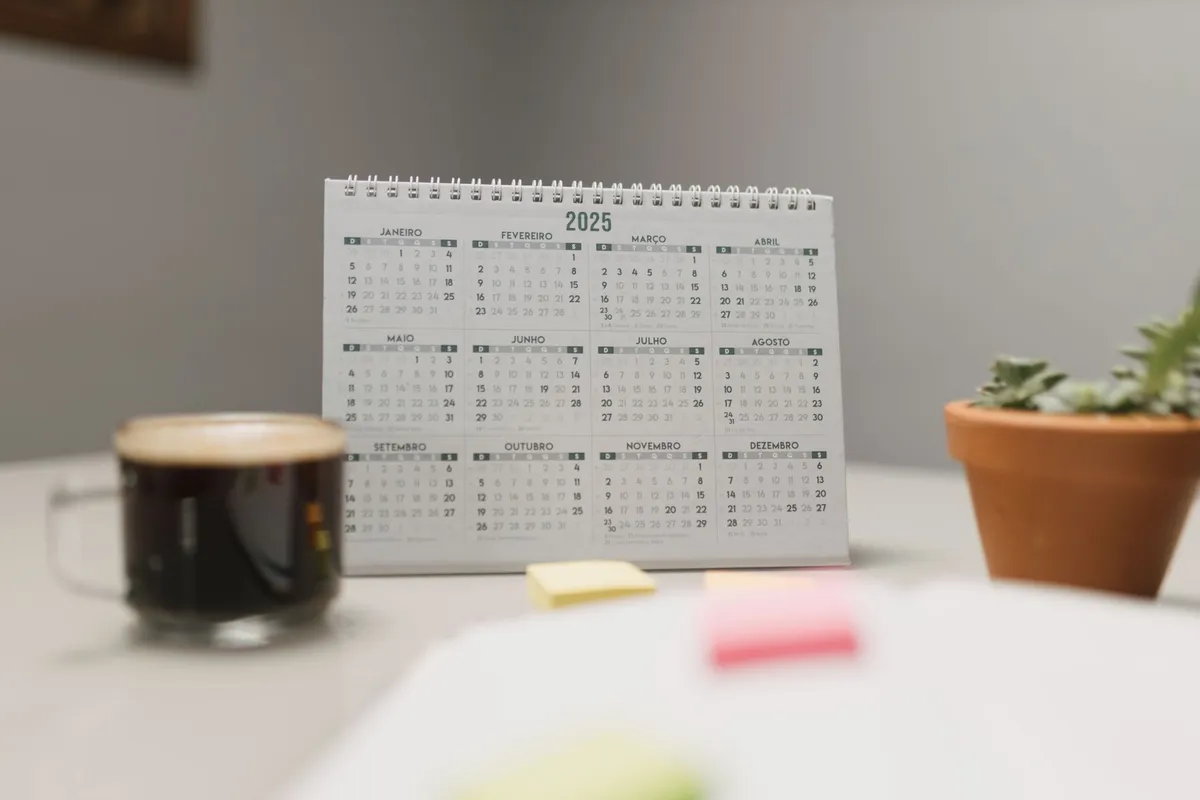
She sent a recurring calendar invite. First Tuesday of every month, 7:30, the same middling pub with the sticky tables, for as long as the calendar would let her set it, which turned out to be an alarming number of years. The invite said “pub.” That was the whole description. No agenda, no theme, no “let’s really catch up properly.”
I’ll be honest, I found it slightly insulting. Scheduling a friend felt like scheduling a dentist. Where was the spark? Where was the beautiful chaos of two people colliding because they wanted to?
The first Tuesday, four of us came and it felt like a meeting. The second, three came and it was fine. By the fourth or fifth I stopped noticing the structure at all, because the structure had done its job and disappeared under the thing it was holding up. We weren’t catching up anymore. We were just continuing. You don’t need to do the big life-summary download when you saw someone four weeks ago. You get to talk about something stupid instead. That’s where the actual friendship lives.
A year in, I knew about her manager, her sister’s wedding drama, the flat viewing that went badly. Not because we had a deep conversation about it. Because I was in the room, monthly, in the general vicinity of her life.
Spontaneity didn’t produce that in eleven years. A repeating invite produced it in six months.
What I stopped waiting for
The shift for me wasn’t organizational, it was emotional, and it was this: I stopped treating my desire to see people as the trigger for seeing people.
Some first Tuesdays I don’t want to go. I’m tired, the sofa is warm, and my body is presenting a compelling case for staying horizontal. I go anyway, the way I’d go to a dentist appointment I booked three months ago when I was a more optimistic man. And here’s the annoying part: I have never once come home from a night with my friends and thought, I wish I hadn’t done that. Not once. My reluctance has a perfect record of being wrong.
So I defend the slot. When work wants it, work can have the Wednesday. When someone proposes something better on a first Tuesday, the answer is a real, cheerful no. The whole thing only works if it’s slightly load-bearing.
If you want to try it, keep it embarrassingly small. One standing thing. Same day each month, not “monthly,” because “monthly” means never. Somewhere with no dress code and no reservation. Low effort is the point, because you’re not trying to make a memorable evening, you’re trying to make an unremarkable one you can repeat forty times.
And build in the exit. Everyone gets to cancel with no story, no apology essay, no making it mean something. “Can’t tonight, see you next month” is a complete sentence. The plan survives people missing it, which is the only reason it survives at all. It also saves you from overbooking a future version of yourself who will resent you for it.
Does it kill the magic? A bit. I’ve made my peace with that. The magic was mostly proximity wearing a nice outfit.
I still say “we should do this more often.” I just say it now with my phone already out.
Frequently asked questions
Isn't scheduling friendship a bit cold?
It feels clinical for about two months, then it just feels like having friends. The calendar isn't the relationship, it's the thing that gets you into the room where the relationship happens.
What if my friends don't want a standing plan?
Send the invite anyway and make it genuinely optional. Most people don't refuse a standing plan, they just never would have been the one to propose it.
How often is realistic for a recurring catch-up?
Monthly is the sweet spot for most adults with jobs and commutes. Weekly collapses under real life, and quarterly is long enough that you spend the whole evening on life admin updates.
What if nobody shows up?
Some months two people show up and that's still a good night. The plan only dies if you cancel it when attendance dips, so keep it on the calendar and let it be small sometimes.